
Build It to Come Apart: Interiors That Waste Less
Today we explore designing interiors for disassembly to reduce renovation waste, turning every surface, joint, and fixture into a future resource rather than rubble. You’ll discover practical strategies, honest stories from real projects, and clear steps for homeowners and professionals eager to build beautifully now while protecting tomorrow’s budgets, materials, and air. Bring curiosity, a screwdriver, and an open calendar for maintenance; together we can change renovations from noisy tear-outs into quiet, thoughtful unbuilding.
From Demolition to Disassembly Mindset
Shifting from smash-and-replace to planned unbuilding begins with a mental model that values parts, provenance, and potential. Instead of hiding screws and glues, we celebrate reversible detail and layered construction. This approach reframes interiors as evolving systems rather than fixed outcomes, reducing noise, dust, and embodied carbon with every careful step. When integrity is designed to be separated and saved, renovation becomes stewardship, not waste management, restoring both value and common sense to everyday upgrades.





Materials That Keep Their Value
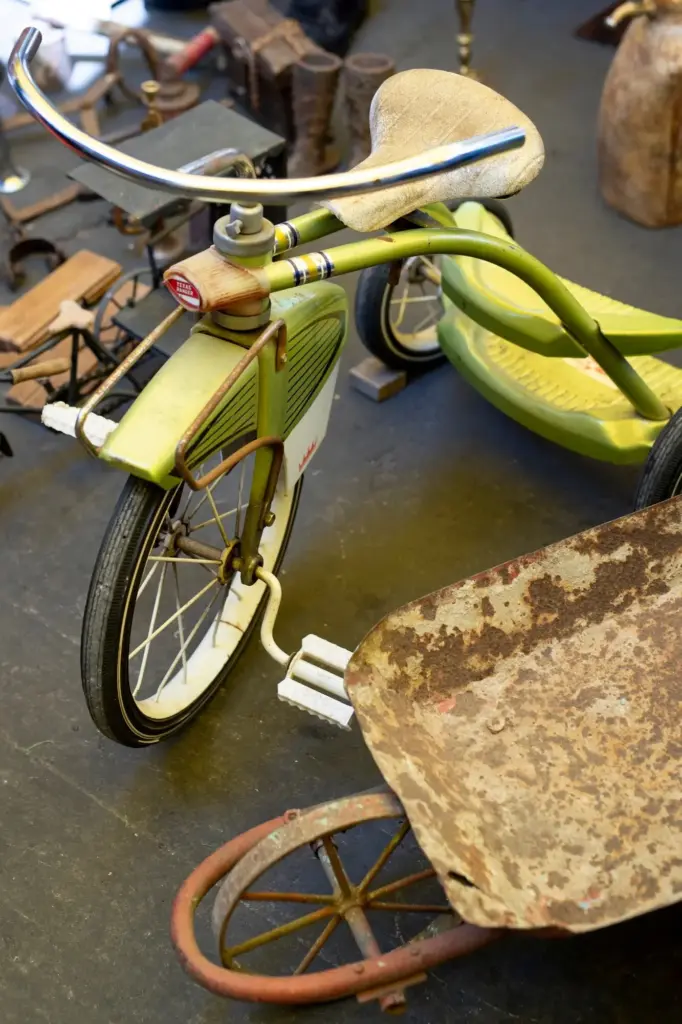
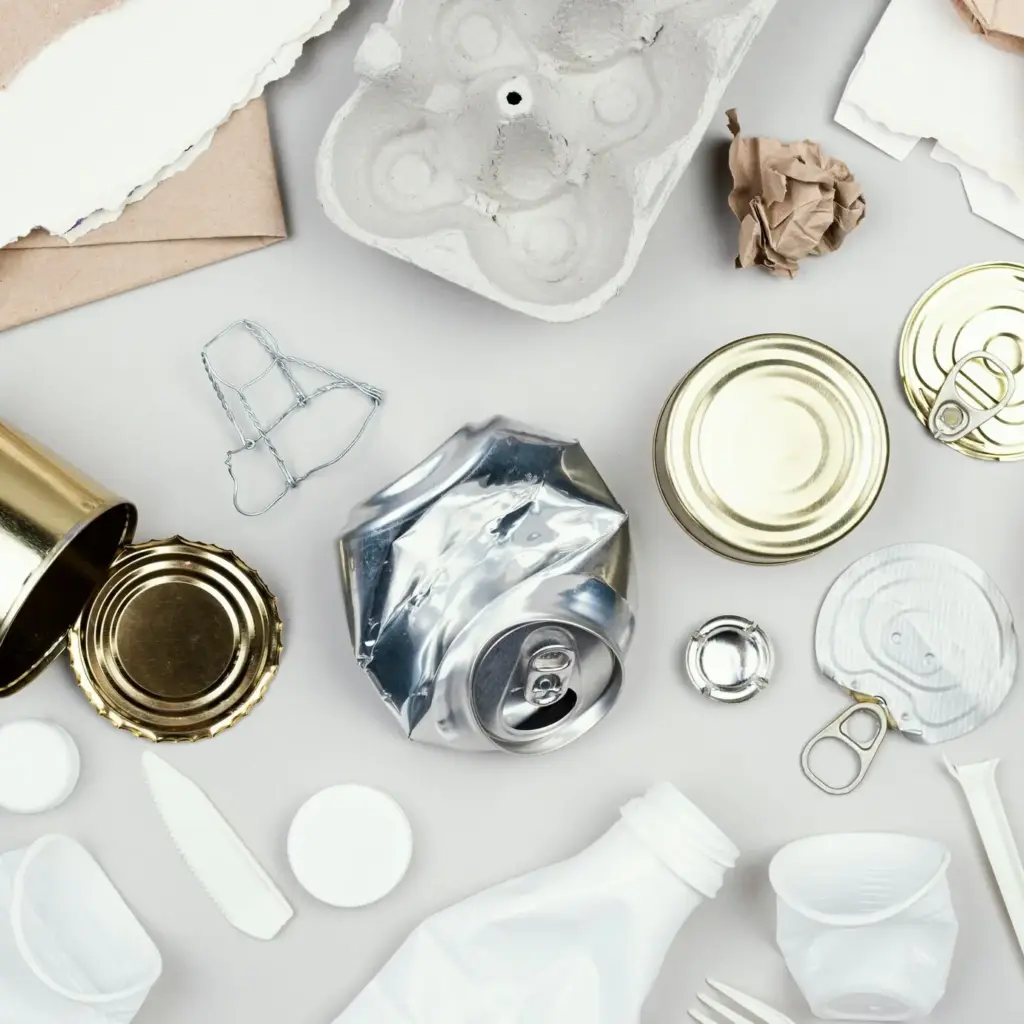
Selecting materials for their second and third lives encourages durability without dead ends. Favor mono-material assemblies, honest finishes without trapped composites, and suppliers that publish take-back commitments. A floorboard that can be sanded again, a panel that can be unbolted, and a ceiling tile with a buyback program are not just sustainable; they are practical insurance. Value persists when chemistry is safe, specification is transparent, and parts can re-enter circulation without heroic effort or guesswork.


Connections You Can Undo
Choose fasteners that invite a screwdriver
Standardize screws, bolts, and cam locks with accessible heads and corrosion-resistant finishes. Bundle a small toolkit with handover documents so the next change starts empowered. Keep hardware counts reasonable, and avoid one-way fasteners that punish curiosity. Mark hidden fixings with discreet indicators. The goal is confidence: anyone should feel able to remove a panel, swap a bracket, or translate the construction logic without resorting to cutting wheels, solvents, or frustration that risks damage and waste.
Dry systems over wet glues
Wet adhesives can be beautiful in craft, yet destructive in maintenance. Favor dry interlocks, gaskets, tapes designed for clean release, and mechanical clamps that hold today but forgive tomorrow. Where adhesives are necessary, specify reversible chemistries with clear removal protocols. That foresight lowers indoor air impacts and spares sublayers. Dry systems bias toward speed, clarity, and salvage value, allowing teams to pivot quickly and carry intact components into new lives with minimal cleaning or rework.
Access is a design feature, not an afterthought
Give services doors, panels, and routes that actually open without moving furniture mountains. Express seams as gentle reveals that celebrate change rather than hiding it defensively. Put shutoff valves in polite reach, label circuits where eyes naturally rest, and design soffits like friendly toolboxes. When access is intentional and beautiful, occupants accept it, maintenance teams thank you, and future upgrades proceed without destructive inspections. The finest luxury is control without demolition, and it starts with access.
Plan, Document, and Trace
Great disassembly is choreographed long before installation. Clear drawings, material passports, QR tags, and photographed sequences guide future hands through calm, reversible moves. Store documentation where people will find it, not in dusty archives. Track serial numbers, finishes, repair history, and salvage pathways. Digital twins can show which panel hides a junction box, and which plinth stores leveling shims. The more transparent the record, the more confidently materials travel from project to project without losing value.
Stories From Real Spaces
Success lives in details, but stories help us remember. These projects translate principles into lived experience, showing how gentle change can be fast, beautiful, and surprisingly affordable. They prove that reversible detail doesn’t sacrifice aesthetics; it deepens character. By listening to practitioners and occupants, we gather lessons you can reuse tomorrow. Let these accounts spark your next sketch, specification, or conversation with a contractor skeptical about anything that isn’t permanently glued in place.

Economics, Policy, and Everyday Habits
Clever detailing matters only if it survives budgeting, permitting, and daily practice. Show clients total cost of ownership, including downtime, disposal fees, and salvage value. Use standards and certifications as conversation starters, not burdens. Write contracts that expect take-back and deconstruction plans. Most importantly, cultivate habits—tidy maintenance, patient repairs, and honest documentation—that outlast staff changes. The math improves when everyone participates, turning small, repeatable actions into compounding savings and measurable, long-term material resilience.
Compare two wall systems not just on day-one price, but on the cost of swapping layouts, disposing of waste, refinishing surfaces, and downtime. Add potential resale of panels or fixtures as a credit. Honest spreadsheets win skeptics by making reversibility a financial strategy, not a moral appeal. Share your calculations with peers or comment below; collective data helps everyone choose designs that protect budgets and the planet with simple, accountable, repeatable choices.
Green building frameworks increasingly reward deconstruction planning, material disclosure, and reuse pathways. Reference relevant credits to justify decisions with officials and clients. Permits can include disassembly notes and salvage targets; procurement can favor vendors with transparent take-back policies. Instead of treating paperwork as friction, let it formalize good habits and open doors to incentives. If you’ve navigated approvals successfully, share your tips and pitfalls with our community so others move faster and smarter.
All Rights Reserved.